
Your health, on your terms
Period Clarity.by Dr Huma
Your cycle. Your symptoms.
A clearer next step.
Get to know your cycle with simple tracking, honest insights, and practical guidance for your next doctor visit.
Private records. No pressure. No guesswork.
A little tracking. A lot more clarity.
Make sense of your cycle
Track
Log your period dates and a quick daily check-in.
Understand
See patterns in your own records — honestly, without false precision.
Take your next step
Get clear guidance on what to track, read, or discuss with a doctor.
Your cycle, in context
Small details. A fuller picture.
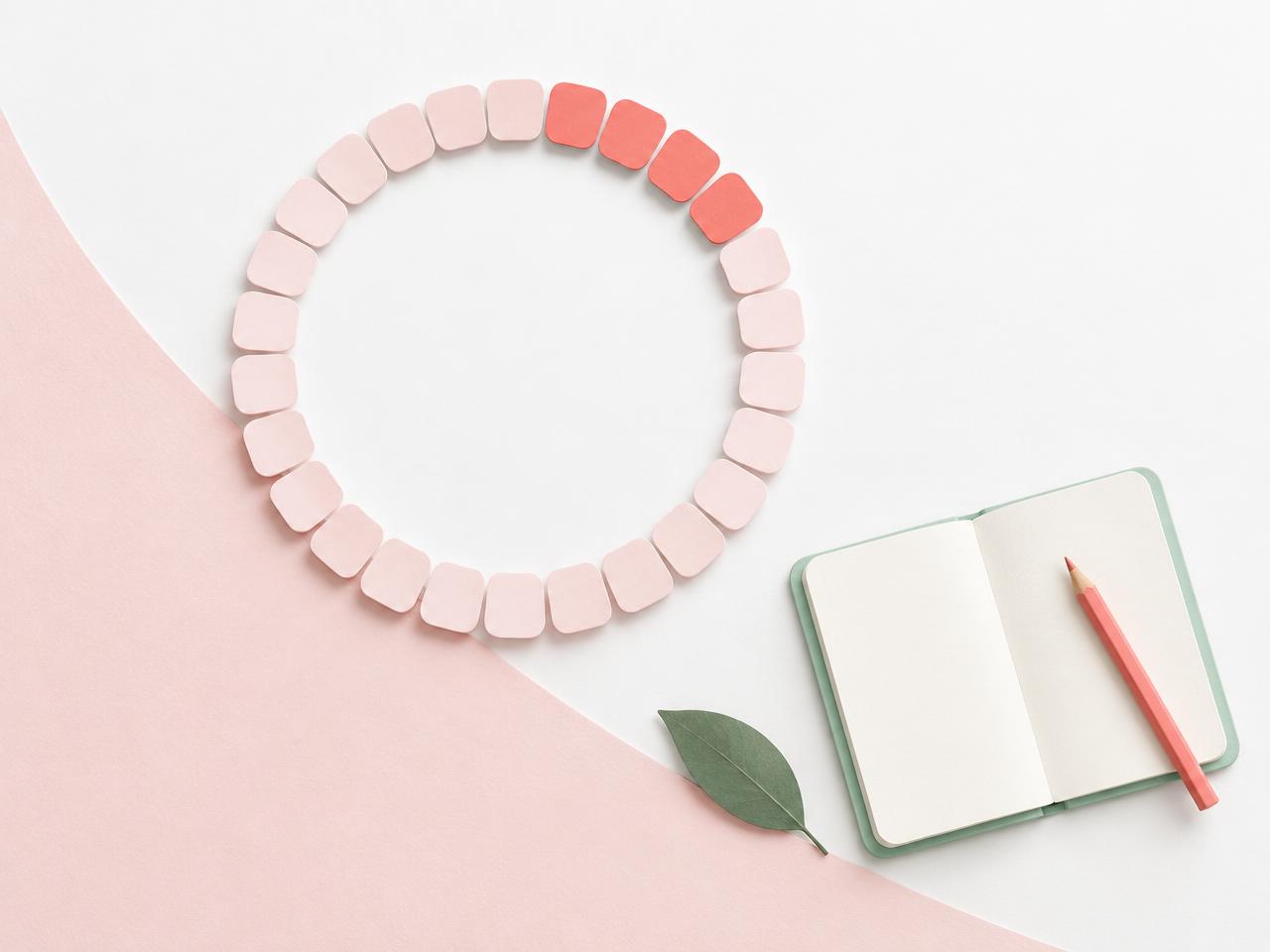
A clearer picture starts with your dates
The first day of one period to the first day of the next is your cycle length. The days you bleed are your period duration — they are different measurements.
- Record the start, end and flow of each period.
- Mark dates as estimated when you’re not sure.
- An unknown end date stays unknown, rather than becoming a guessed duration.
Educational content awaiting clinical review. Records do not confirm ovulation, diagnose a condition or provide contraception.
Two measurements, one personal history
Your period is part of your cycle.
Bleeding days are just one part of the picture. Keeping track of when each period starts lets you see how much time passed between them — without assuming your cycle should follow a particular number.
Understand cycle variationIllustrative diagram · not your records
- Period duration
- Days from recorded bleeding start to recorded end.
- Cycle length
- Time between the first day of one period and the first day of the next.
Not to scale. The uncoloured days do not indicate ovulation or fertility.
An estimate, not a promise
A future window is based on your recorded cycle lengths. Changes in your life, missing entries and uncertain dates can all limit what it tells you.
No guessing when records are sparse
Two period starts describe one interval. Period Clarity needs at least two complete recorded intervals before showing a next-period estimate.
Observations, not diagnoses
A personal report brings together dates, symptoms and questions. A change in your records cannot tell us why it happened or confirm a condition.
Support for your everyday
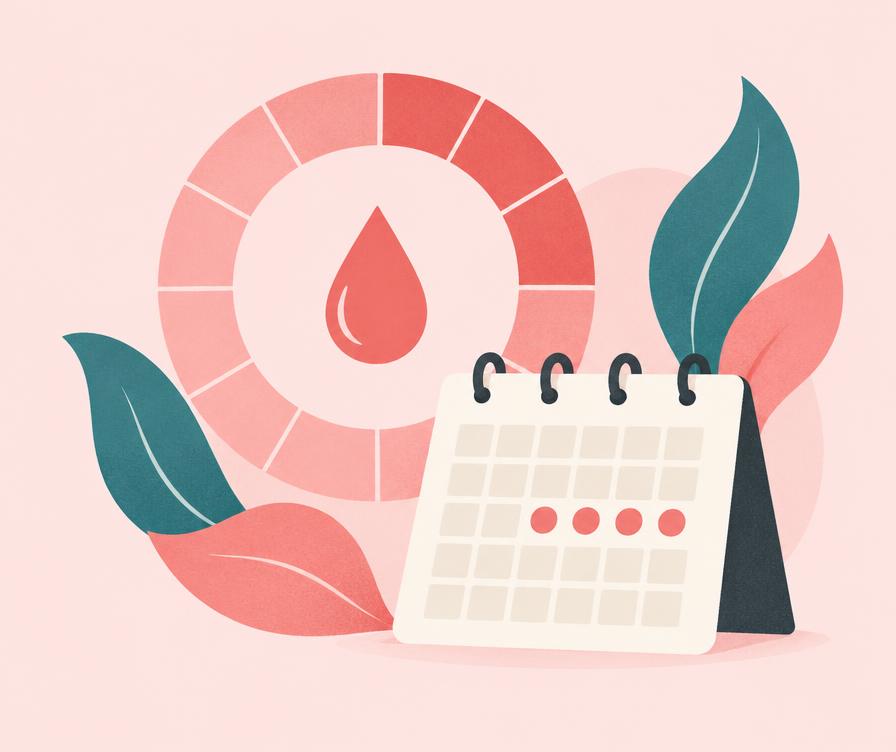
Your dates, kept together
Record when bleeding starts and ends, note the flow and mark dates you recall approximately. Your calendar keeps confirmed dates distinct from dates you estimated.

Room for how you really feel
Record cramps, mood, energy, sleep and other symptoms. Note pain that affects your day, add context in your own words, or skip an entry when you need to.
A report that stays honest
Bring your recorded cycle lengths and symptom counts into one summary. See what is still unknown and questions you might want to discuss at an appointment.
Space to understand more
Explore plain-language guides about cycle variation, pain, missed periods, heavy bleeding and PCOS. Every starter article is labelled as a draft awaiting clinical review.

Dr. Huma Tamkin
MBBS, MS – OBG
Consultant Obstetrician & Gynecologist · KMC Reg. No. 99194
Meet Dr. Huma Tamkin
Consultant Obstetrician & Gynecologist · Gold Medalist · University Topper
Medical expertise. Clearer answers. More confidence in your health.
Dr. Huma Tamkin is a Consultant Obstetrician & Gynecologist holding an MBBS and MS in Obstetrics & Gynaecology. Registered with the Karnataka Medical Council (KMC Reg. No. 99194), she completed her postgraduate training at JJM Medical College, Davangere.
In 2017, she was awarded the Gold Medal, conferred by the then President of India, Dr. Pranab Mukherjee, and was recognised as the University Topper at Rajiv Gandhi University of Health Sciences (RGUHS).
Why Period Clarity?
Periods and menstrual symptoms can raise difficult questions. Is an irregular cycle something to monitor? When should recurring pain be evaluated? Could changes in your periods be associated with PCOS?
Period Clarity was created to help women approach these questions with greater understanding and confidence. It brings together cycle tracking, symptom records, accessible medical education, and practical guidance on when to seek professional care.
The goal is simple: help women better understand their menstrual health, recognise patterns in their own records, and make more informed decisions about their next steps.
Because every woman deserves reliable information—not confusion, unnecessary anxiety, or guesswork.
Your Period Clarity Report
Remembering months of symptoms on the spot can be difficult. Bring a clear summary to your next appointment — including what your records can't tell you.
- What you recorded: dates, cycle lengths and symptom entries.
- What remains unknown: the reason for changes, missing dates and anything you didn't log.
- What to ask: questions grounded in your own history, not a diagnosis from an app.
Question to consider: “My cycle varied by 11 days — should we look into this?”
Privacy first
Your menstrual and symptom data is sensitive. Only you can access it. We don't sell it or send it to advertisers, and you can export or delete everything at any time.